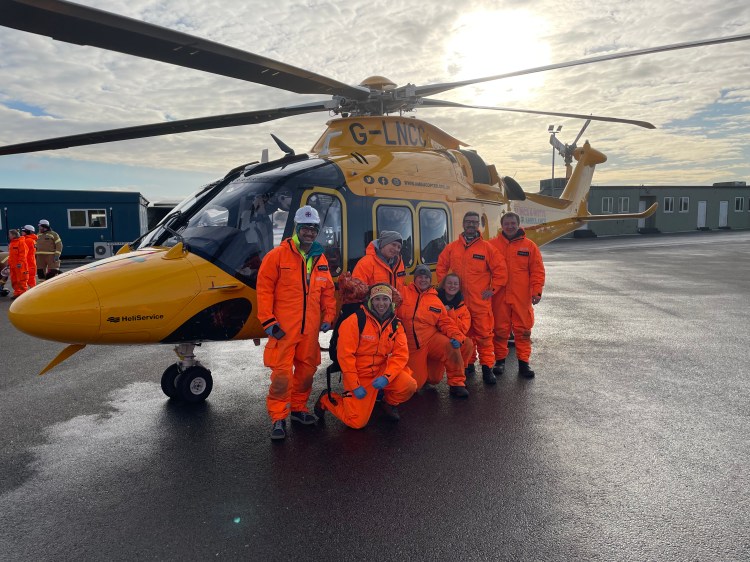
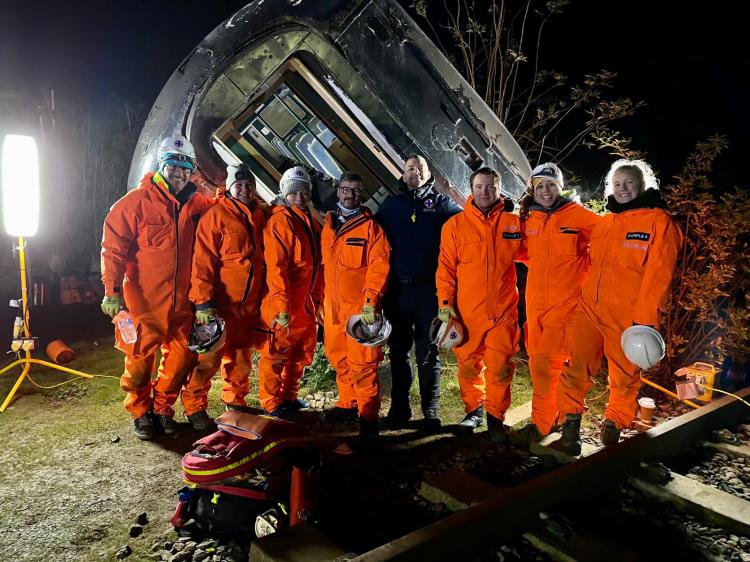
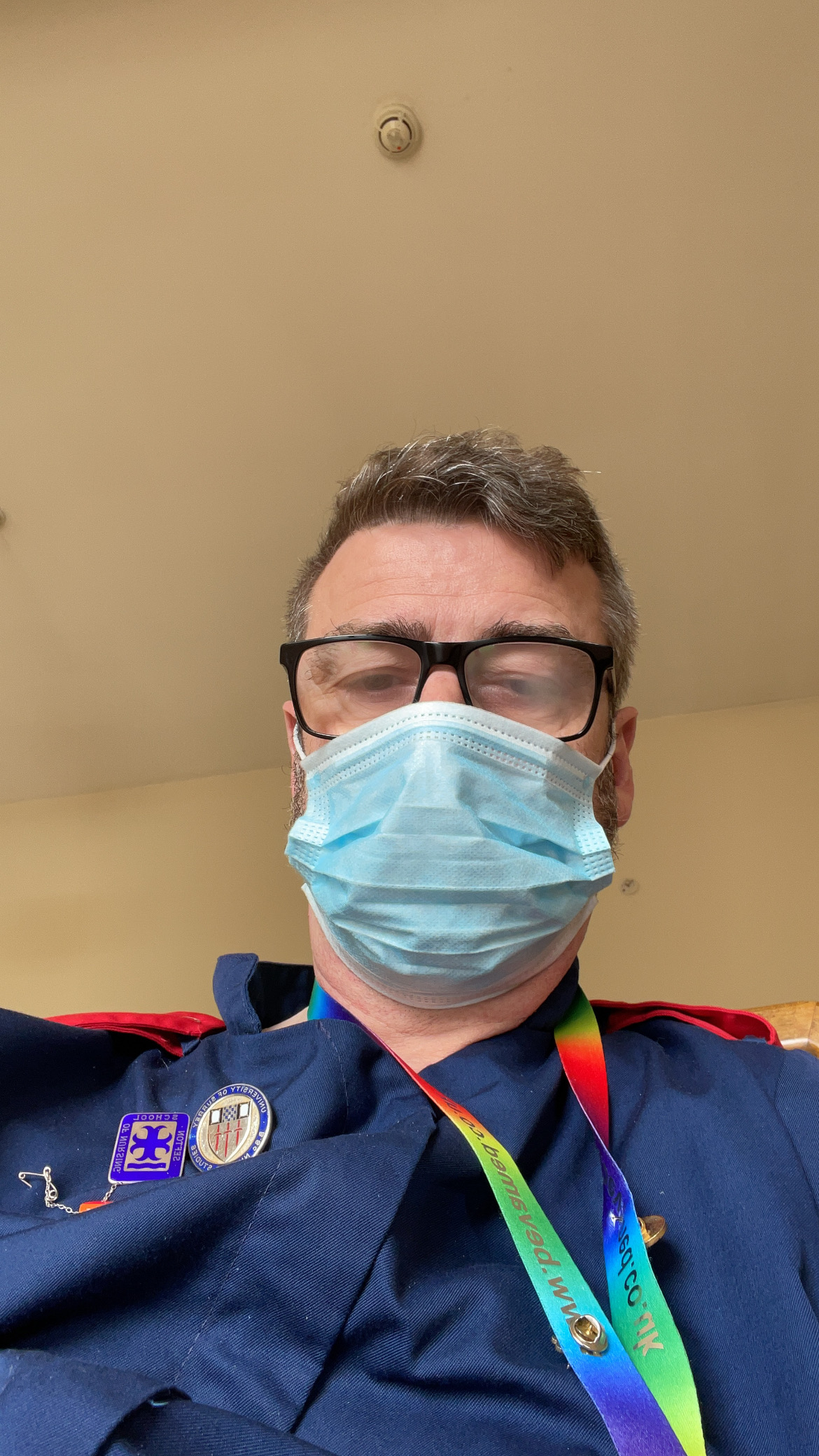
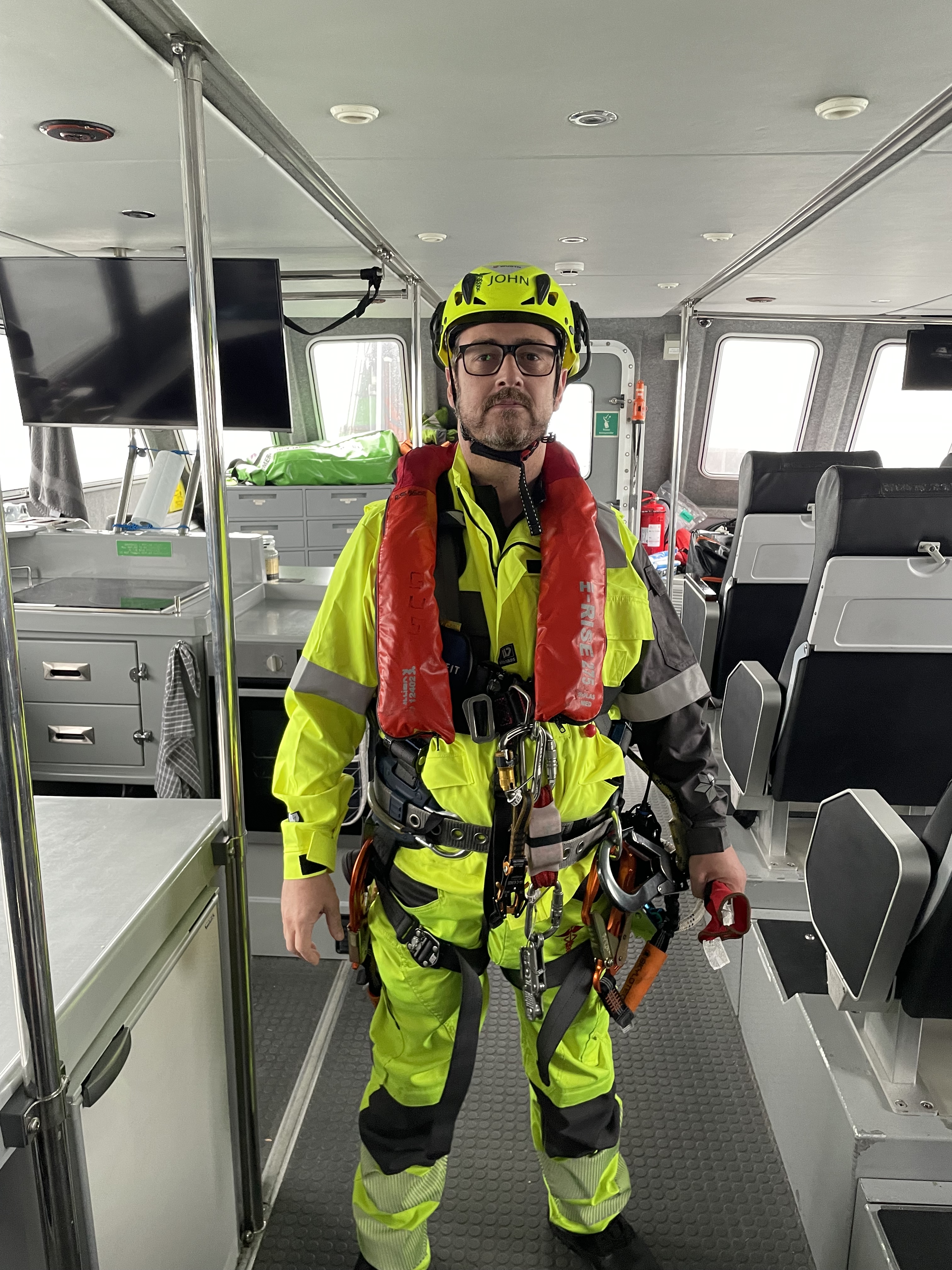
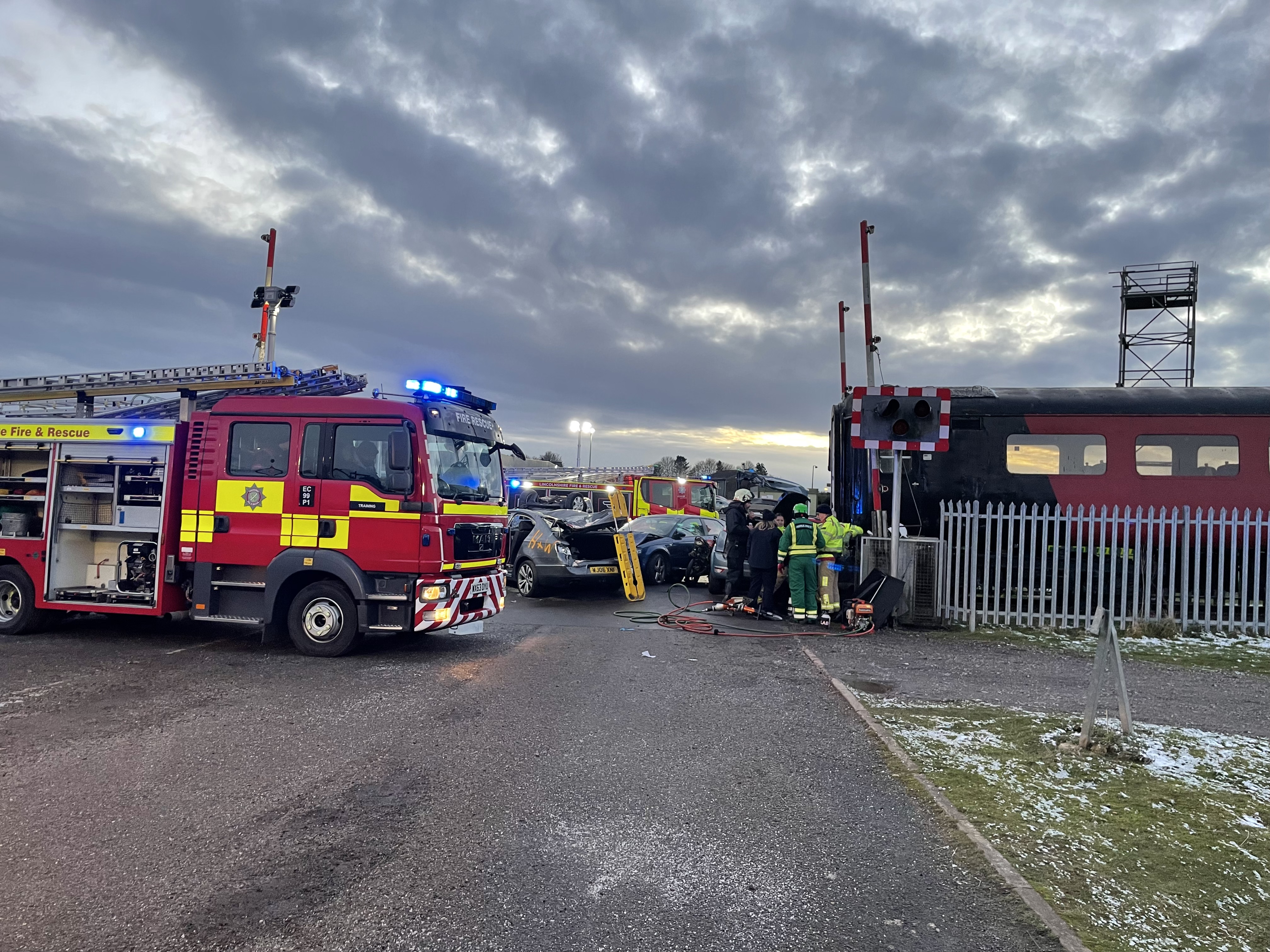
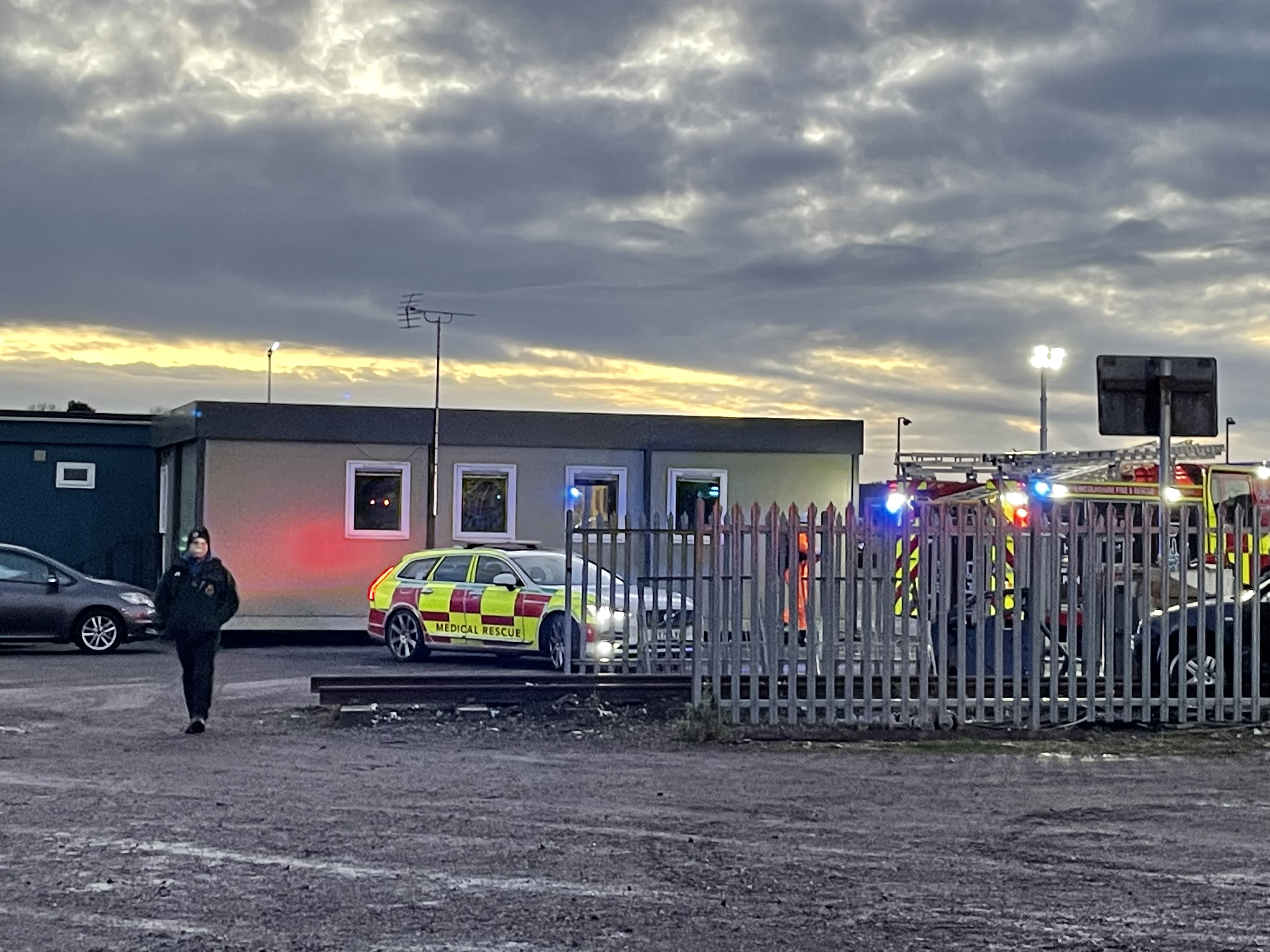
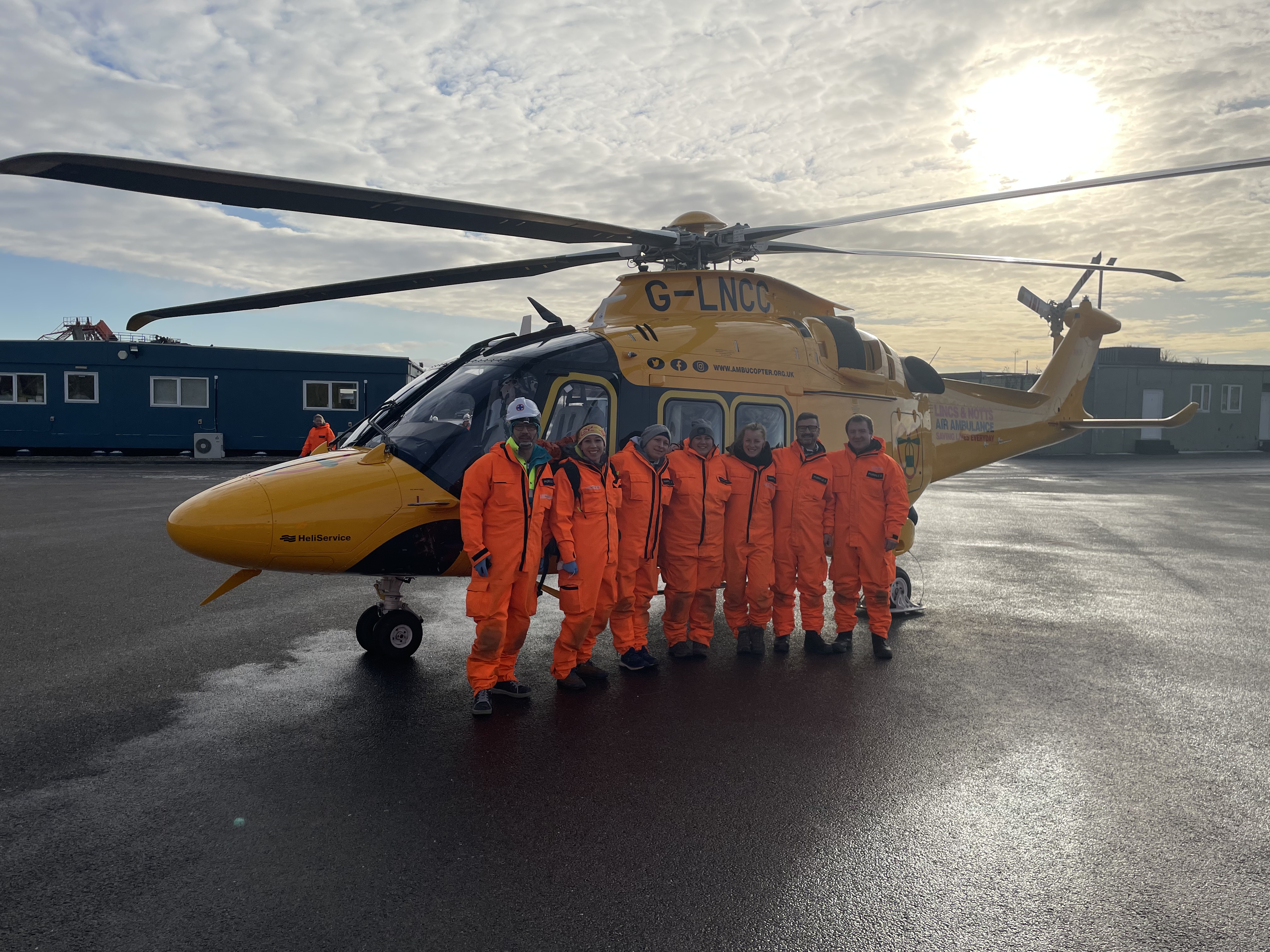
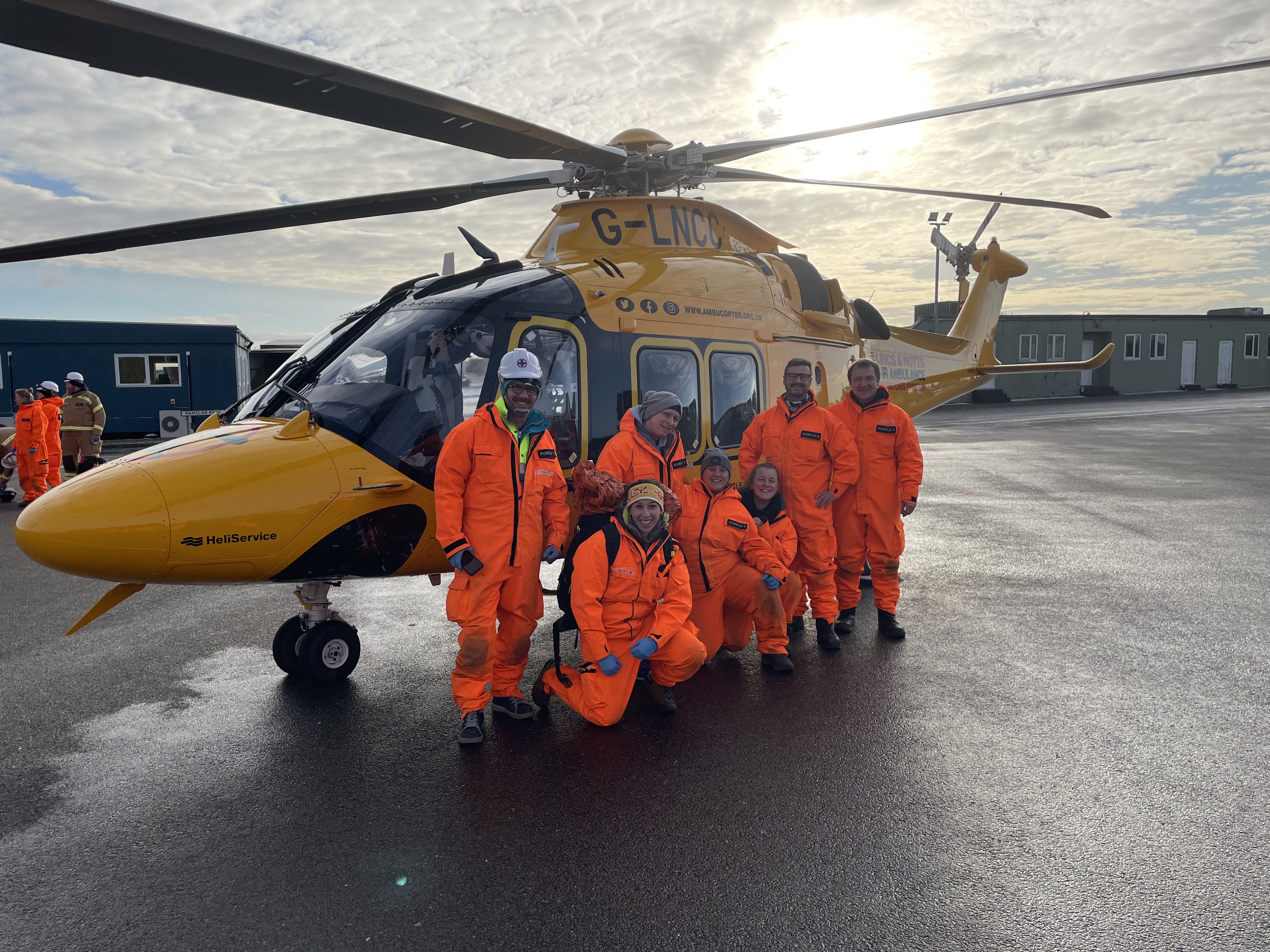
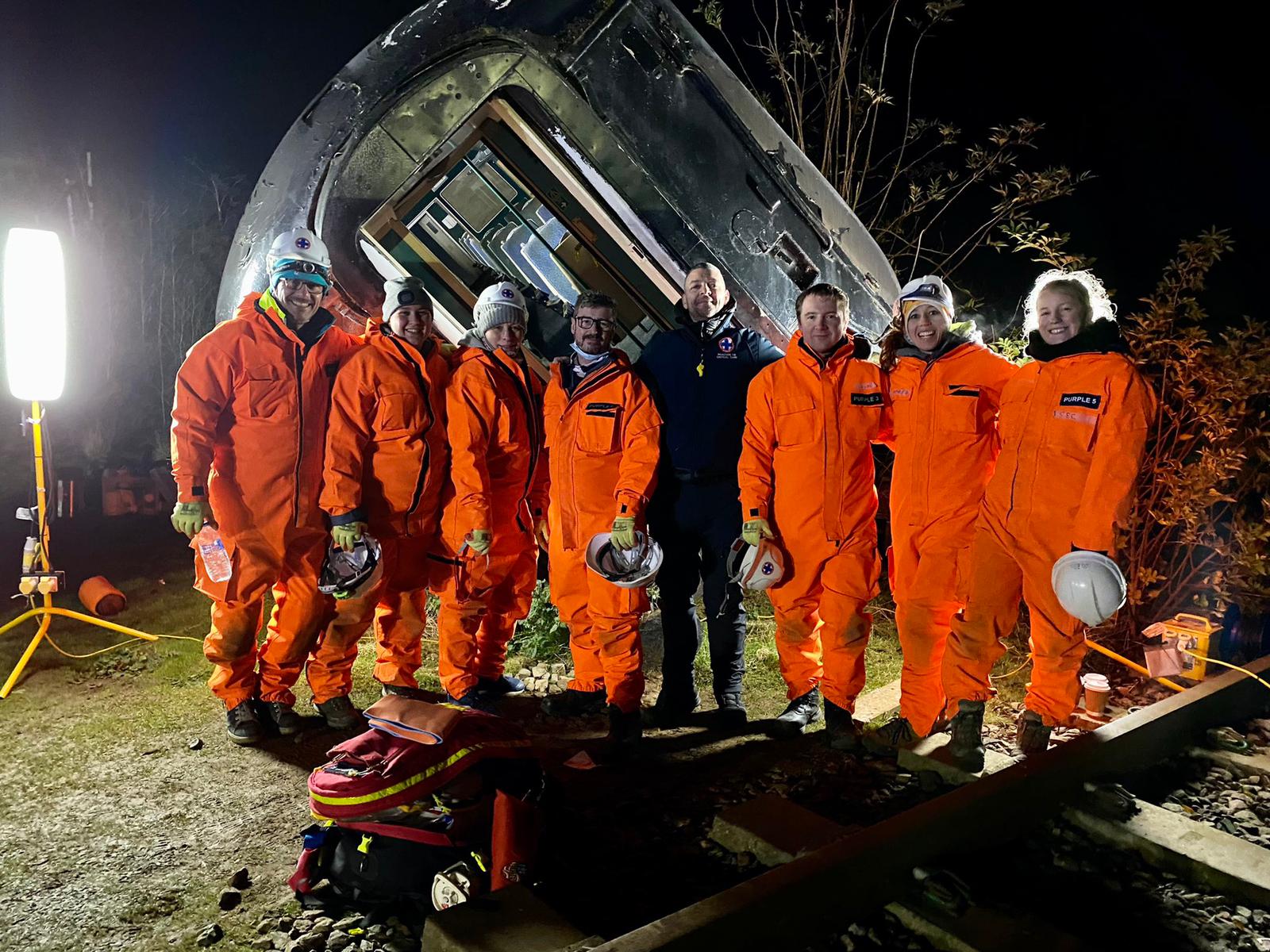
A few pictures of 2021



Your health is MY occupation
A few pictures of 2021
I hold a Master of Public Health from TECH Global University, building on years of real‑world experience in health protection, outbreak response, and operational resilience. My work combines academic training with practical, frontline insight from managing health risks in remote environments to supporting organisations through complex public‑health challenges.
Alongside my core public‑health practice, I advise on biosecurity and zoonotic‑risk management, helping teams understand how human activity, environmental pressures, and operational systems intersect. I’ve supported maritime, polar, and remote‑operations organisations to strengthen their biosecurity posture, develop clear escalation logic, and embed practical safeguards that protect both people and fragile ecosystems.
My approach is grounded in evidence, clarity, and calm leadership: turning complex risks into straightforward guidance that teams can act on with confidence.

Scally and Donaldson wrote ‘Clinical governance and the drive for quality improvement in the new NHS in England’ in 1998, covering a definition for clinical governance:
“A system through which NHS organisations are accountable for continuously improving the quality of their services and safeguarding high standards of care by creating an environment in which excellence in clinical care will flourish.”
It’s essentially an overarching framework covering all activities that help sustain and improve high standards of patient care. Health care organisations must be able to evidence that standards are maintained when putting any structures, systems or processes in place.
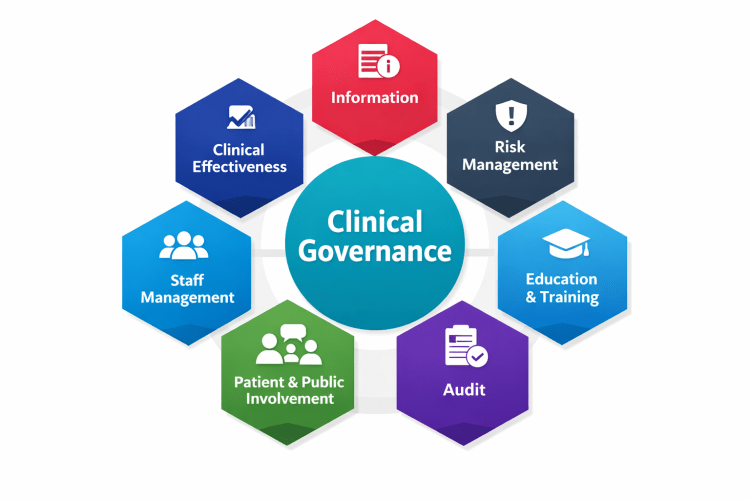
Any treatment used must provide the best outcome for the patient:
Minimise risks to the patients in care. There are different ways to manage risk and ensure incidents don’t occur:
Communicate with patients and the public to gain insight on the quality of care and any possible problems:
Audits are carried out to monitor the quality of clinical care being carried out. They measure against set guidelines and any deviances are examined and improved upon. After some time, audits are repeated to ensure that actions taken to improve have worked, and organisations are quality assured.
This ensures those employed are suitable to carry out the work. If anyone is under performing, they can be highlighted and helped to improve. Professional development of staff should be encouraged, and this can be helped through motivation and a pleasant working environment.
It’s important staff have continual training to ensure they are up to date in their knowledge. This allows them to provide the best care possible at all times. Staff can:
A patient’s information should always be up to date and correct on any systems used. It should also be confidential through correct storage and management of data.
Clinical governance ensures a continuous drive to improve standards of health and social care organisations. A cycle of controlling, monitoring and improving through the 7 pillars ensures a higher quality of care for patients.
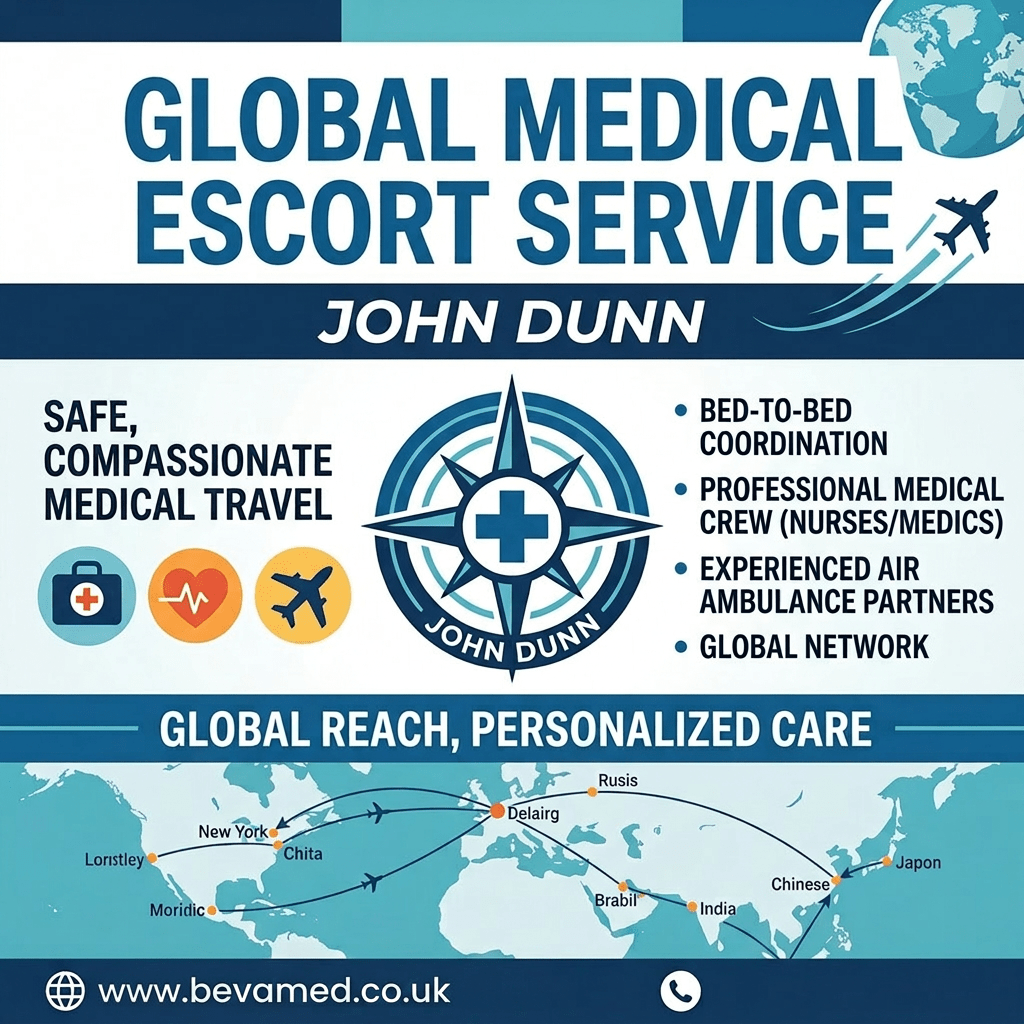
Experienced in Critical Care Areo-medical Rescues and Medical Escort
Recent clients include : CVA Critical Transfer Dubai to Manchester
Malaga to Manchester Bilateral fractures to arms
Bali to Munich Mental Health Support
Rome to Krakow Mental Health Support
Benidorm to Manchester Head Injury
All Medical equipment supplied for Critical Transfer on Commercial Flights
Clinical Courses include: ILS, Venipuncture, Cannulation, BLS, Wound Care, Safeguarding and much more

Availability on request .

Offshore Medic, with OEUK & ENG 1 (Unrestricted Medical’s).
GWO, BOSIET, and STCW trained.
HSE Offshore Medic. RQF level 3 Counselling Skills, Mental Health Advocate. Advanced Life Support, PHTLS, Minor Injuries, Minor Emergencies certified
For updated health information look at this site or call 111 to speak to an advisor
published thank you for assisting an elderly relative return home to the UK
Have a WordPress.com account? Log in now.


